The Art of Presentation: How to Make a Gourmet Food Selection Feel High End
When you are assembling a collection of exceptional ingredients—be it for a gift basket, a charcuterie spread, or a curated tasting menu—the inherent quality of the food is only half the battle. True luxury isn't just about what you give; it’s about the narrative, the experience, and the flawless presentation. Sometimes, even the most magnificent selection can look… well, merely delicious, rather than genuinely opulent. The goal is to transform a pile of fantastic snacks into an event, making your thoughtful effort feel effortlessly luxurious. Understanding how to make a gourmet food selection feel high end requires moving beyond simple aesthetics and tapping into sensory psychology. By paying attention to every small detail, you can elevate the entire experience from "great" to "unforgettable."
Elevating Presentation Through Visual Design
The first impression is always visual. Before anyone takes a bite, they are judging the collection with their eyes. To achieve that coveted high-end look, think of yourself as an art curator rather than just a shopper. Your food selection must be arranged like a museum exhibit—intentional, balanced, and beautiful.
The Strategic Use of Contrast
Contrast is your most powerful tool in visual merchandising. If everything you select is equally colored (say, only various shades of brown meats), the display will look muddy and indistinct. By introducing contrasting elements, you give the eye something exciting to jump between.
Consider these contrasts:
- Color: Pair deep jewel tones (like blackberries or olives) with bright pops of color (such as lemon zest or fresh herbs).
- Texture: Place smooth items (like creamy cheese) next to rough, crunchy elements (like candied nuts or artisan crackers). This textural interplay keeps the viewer engaged.
Thoughtful Grouping and Flow
Don't scatter your items randomly like confetti; arrange them with purpose. Think about creating visual groupings that lead the eye naturally across the board or basket. An effective arrangement tells a story: "Start here, move to the cheese, then follow the bread." This structured flow guides the recipient through the entire selection without feeling overwhelmed.
Mastering Ingredient Storytelling and Sourcing
High-end products are rarely just sold as commodities; they are sold with a backstory. When you focus on why an ingredient is special, you instantly elevate its perceived value. It changes from "a fancy jam" to "jam made by grandmother in Provence." This narrative approach is crucial for making your selection feel premium.
Source, Taste, Tell: The Power of Provenance
Never let a magnificent item speak for itself; always provide context. Knowing where the food comes from—the farm, the region, or even the history of the recipe—is part of the luxury experience. When you include small, elegant cards detailing the provenance ("Aged in Italian cellars," "From a family-run Sicilian orchard"), you are giving the recipient an educational journey.
For example, when selecting cheeses, don't just buy cheddar; select a Cheddar aged for twelve months on a specific farm with a unique mineral profile. This depth of knowledge is your secret weapon. As one renowned food critic once noted, "The difference between good and great isn't the taste alone; it's the story behind the plate."
The Science of Perfect Pairing
A truly high-end selection feels cohesive—like all the parts were meant to be together. Instead of buying random items, build pairings around a central theme or flavor profile. Are you going for Mediterranean brightness? Focus on Kalamata olives, feta, sun-dried tomatoes, and oregano. Is it autumnal richness? Combine smoked sausages, fig jam, goat cheese, and spiced walnuts.

Are you struggling with what to include next time? Remember that pairing is less about matching flavors and more about creating a journey across the palate. What wonderful things are you overlooking simply because they don't seem to belong together?
Crafting the Unboxing Experience
The presentation doesn't end when the food is placed in the basket; it encompasses the entire moment of receiving it. To truly make how to make a gourmet food selection feel high end, you must focus on the packaging and the initial reveal. The "unboxing" process should be an event, not just opening a box.
Details Matter: Beyond the Food Itself
The accessories are often what really sell the perceived value. Think about these non-food elements:
- Ribbons: Use natural twine or velvet ribbon instead of bright plastic bows.
- Cardstock: Custom, heavy cardstock tags with elegant calligraphy are far more impactful than generic labels.
- Liners: Lining a wooden board or basket with crinkle-cut paper or delicate linen adds an immediate touch of sophistication.
The Sensory Layering Approach
Luxury is multisensory. Incorporate elements that engage smell and sound, not just sight. A subtle sprig of fresh rosemary placed nearby provides an aromatic note. If the recipient can smell something beautiful while Father's Day Hampers opening it, the perceived value immediately climbs higher. This thoughtful layering elevates the selection from a mere assortment to a full sensory experience.
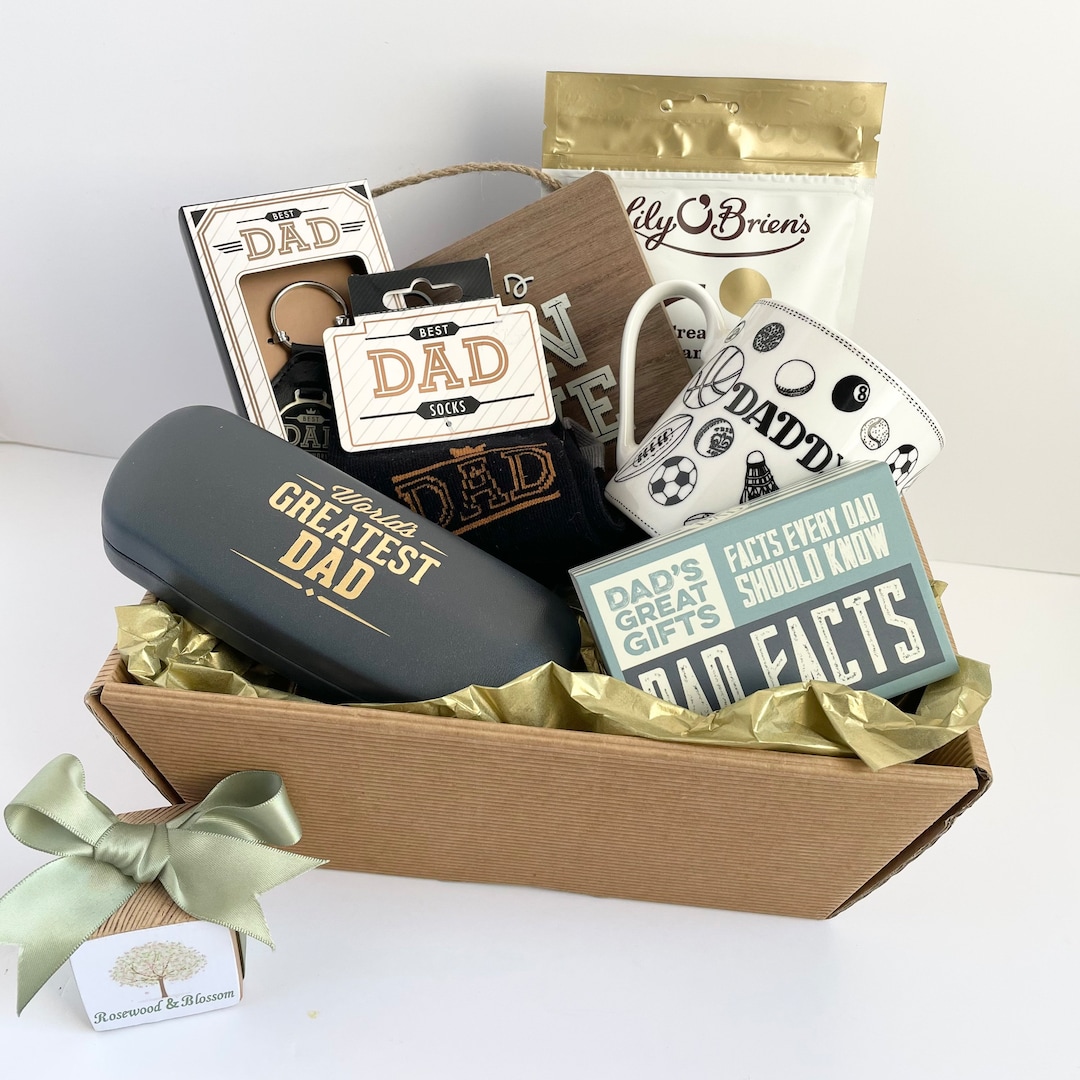
Curating Memories with Thoughtful Selections
Ultimately, making a gourmet food selection feel high end is about signaling care and thought—it’s a material manifestation of affection. It tells the recipient, "I didn't just buy something; I curated this specific moment for you." This elevated effort transforms a gift into an heirloom memory. By treating your selection like a miniature edible masterpiece, paying attention to contrast, provenance, and presentation details, you ensure that every single bite is accompanied by the feeling of genuine luxury. How can you use these techniques next time to make your selection shine? Start today by giving your nearest gathering the curatorial treatment it deserves!